Washington, Dec 6
A senior US lawmaker on Friday urged the Trump Administration to intensify federal scrutiny of corporate use of H-1B visas, warning that major American technology firms are laying off domestic workers even as they continue recruiting thousands of foreign professionals — a trend with direct implications for Indian engineers who make up the single largest group of H-1B beneficiaries.
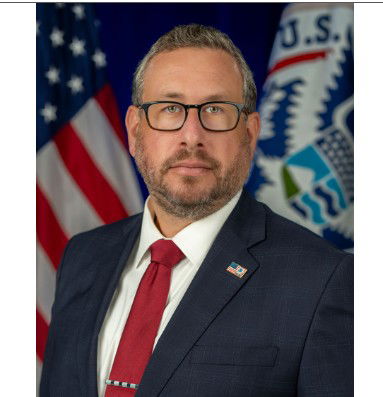
In a letter to Labour Secretary Lori Chavez-DeRemer, US Citizenship and Immigration Services (USCIS) Director Joseph Edlow, and Attorney General Pam Bondi, Senator Ruben Gallego said high-skilled immigration must advance economic growth without becoming a channel to “undercut or replace US employees.” He argued that the pattern of mass layoffs followed by continued H-1B hiring has raised “important questions” about how large corporations are deploying the programme.
“High-skilled immigration programs, when designed, implemented, and enforced appropriately, spur economic growth that creates good-paying jobs for American workers,” Gallego wrote. “At the same time, we must ensure such programs are not used to undercut or replace US employees, especially as the American dream continues to grow further out of reach for young people.”
Citing internal data and federal research, Gallego said “large technology corporations have laid off hundreds of thousands of workers.” At the same time, “in fiscal year 2025, these same companies were approved to hire over 30,000 foreign H-1B workers.” He noted that unemployment among young American tech workers remains elevated, even as employers continue filing visa petitions for foreign recruits — a contradiction, he said, that deserves urgent review by labour, immigration, and enforcement agencies.
The senator pointed to a sharp decline in the representation of the youngest employees at major U.S. technology firms.
“Employees between the ages of 21 and 25 made up 15 per cent of the workforce in January 2023. By July 2025, that number had dropped to 6.7 per cent.” He said the figures show “there are young American workers eager to be trained for and to fill these roles.”
Gallego added that the pressure facing Gen Z extended well beyond the workplace. According to the analysis he cited, “over 13 per cent of unemployed Americans in July were new entrants into the workforce or jobseekers with no prior work experience, who tend to be Gen Z.” He said the share was “the highest percentage since 1988,” underscoring what he described as a widening gap between young workers’ aspirations and the cost of achieving them.
Financial pressures on young Americans, he wrote, have intensified as the “average student borrows over $30,000” for a bachelor’s degree, home prices have “risen 55.7 per cent” since 2020, and childcare costs now exceed rent in 17 states and surpass in-state college tuition in 38. These trends, he warned, compound anxieties about whether American workers are being sidelined as companies expand their recruitment of temporary foreign workers.
Reaffirming the stated purpose of the visa, Gallego wrote: “The intent of the H-1B visa program is to grow the economy and supplement the US workforce — not replace it.” He said the programme must not enable corporations to hire foreign labour while “simultaneously laying off American workers” with comparable training and qualifications.
Gallego pressed the Administration to explain how it will carry out Project Firewall, the multi-agency enforcement initiative launched in September to strengthen scrutiny of H-1B recruitment practices. Among the questions he posed were how many new investigations the government plans to undertake, whether firms that have dismissed US workers will receive special scrutiny, and how agencies will ensure compliance with rules that require employers to prioritise qualified US candidates before turning to H-1B hires.
He also asked how the Labour Secretary’s new requirement to “personally certify the initiation of investigations” will be managed, seeking assurances that the step will not add “red tape,” create opportunities for “corruption or pay-to-play,” or slow down enforcement actions. “We must ensure that corporations using H-1B visas honor the intent of the program and do not displace American workers,” he wrote. “In doing so, we can provide economic opportunity for young Americans to achieve the American dream.”
The focus on oversight carries significance for India, as Indian nationals account for the majority of H-1B visa holders in the United States, particularly in the technology sector.
Any tightening of enforcement or shifts in employer behaviour could directly affect Indian engineers, STEM graduates, and IT professionals seeking placements at US companies.
The programme has long been central to India-US tech cooperation, with Indian firms and American multinationals relying on specialised Indian talent to support innovation and operations. Regulatory changes in Washington remain closely watched in New Delhi and across India’s export-driven IT industry, which continues to depend heavily on access to US high-skilled visas.